Planning Tips
How to Plan an Elopement, A Complete Guide From Someone Who's Photographed Hundreds
The step-by-step guide I wish every couple had before they started planning. No fluff, no filler, just everything you actually need to know.
Start With the Why
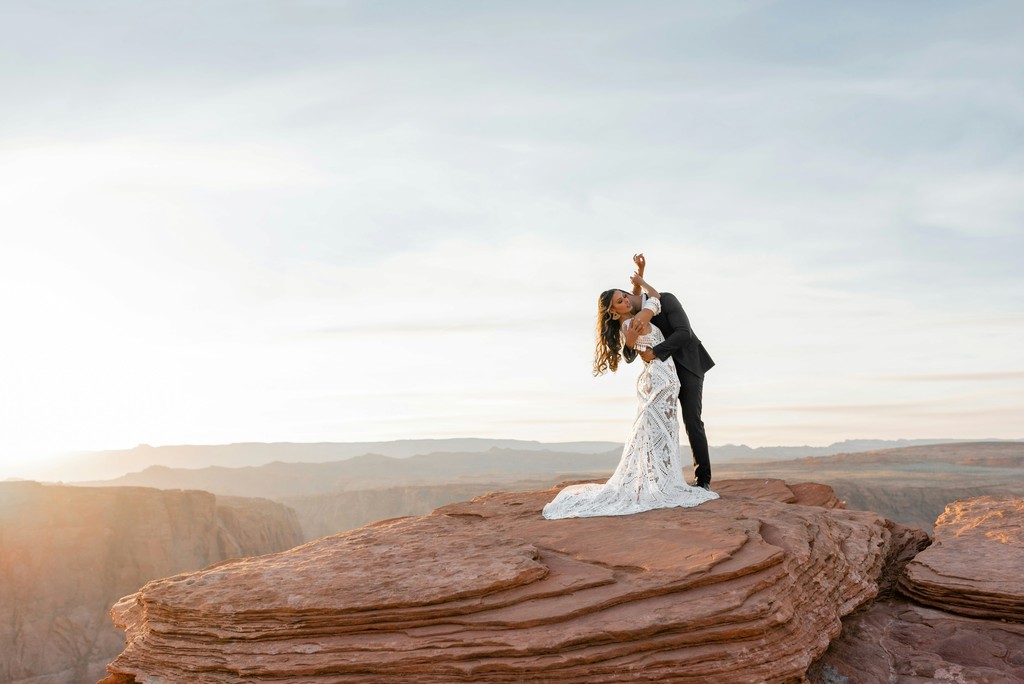
Before you choose a location or set a date, get honest with each other about why you're eloping. Is it because a traditional wedding genuinely doesn't appeal to you? Because the guest list feels unmanageable? Because you want the day to be purely about the two of you? The why shapes every decision that follows, the location, the tone, the level of planning involved, how you communicate it to your families. Couples who are clear on their why tend to plan elopements that feel coherent and intentional. Couples who are unclear tend to end up with something that feels like a small wedding rather than a deliberate elopement.
Choose the Location First
Most elopement planning advice tells you to set your date first. I'd argue the opposite. Your location should drive your date, not the other way around. The best time to elope in the Mojave Desert is different from the best time to elope on the Northern California coast. The permit windows, the seasonal light, the wildflower blooms, the temperature ranges, all of these are location-specific. Choose where first, then figure out when.
Understand the Permit Landscape
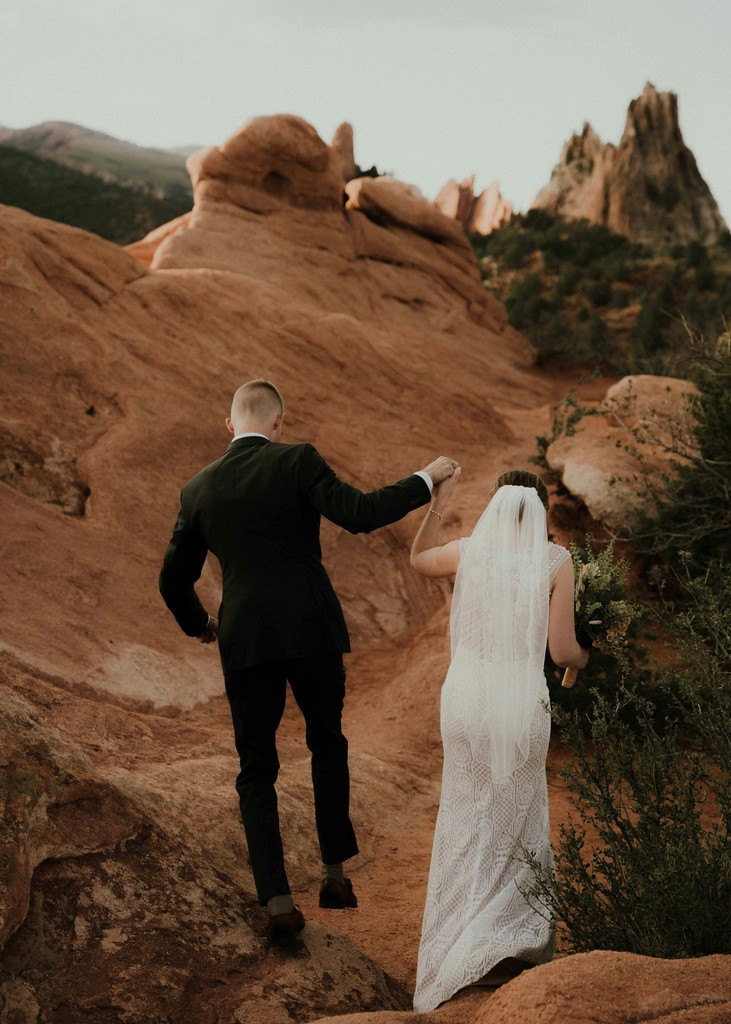
Many of the most beautiful elopement locations in California, Arizona, and the Southwest are on public land (national parks, state parks, Bureau of Land Management land) and require photography permits for professional shoots. These vary significantly by location: some require applications weeks in advance, some can be obtained same-day, some have capacity limits that affect timing. I handle permit logistics for every elopement I photograph and can advise on what's needed for your specific location.
Build the Day Around Light
Your ceremony time should be determined by when the light is best at your chosen location, not by what feels like a normal time to get married. For most outdoor locations in the Southwest, that means early morning (the hour after sunrise) or late afternoon golden hour. Midday light is flat, harsh, and unflattering in photographs. The couples who have the most extraordinary elopement images almost always eloped at dawn or dusk.
Tell Your People, On Your Terms
You don't owe anyone advance notice of your elopement. But in my experience, couples who communicate their plans to close family before the day (rather than announcing afterward) tend to navigate the emotional aftermath more smoothly. How much you share, to whom, and when is entirely your decision. But having a plan for how you'll tell people is worth thinking through before the day.
After the Elopement
Consider building a celebration afterward, a dinner with close friends and family, a backyard party, a trip with the people who matter most. The elopement itself is for you. The celebration after is for everyone else. This structure tends to work beautifully, the couple gets the day they actually wanted, and the people who love them get their moment too.
Planning Tips
How to Plan an Elopement, A Complete Guide From Someone Who's Photographed Hundreds
The step-by-step guide I wish every couple had before they started planning. No fluff, no filler, just everything you actually need to know.
Start With the Why
Before you choose a location or set a date, get honest with each other about why you're eloping. Is it because a traditional wedding genuinely doesn't appeal to you? Because the guest list feels unmanageable? Because you want the day to be purely about the two of you? The why shapes every decision that follows, the location, the tone, the level of planning involved, how you communicate it to your families. Couples who are clear on their why tend to plan elopements that feel coherent and intentional. Couples who are unclear tend to end up with something that feels like a small wedding rather than a deliberate elopement.
Choose the Location First
Most elopement planning advice tells you to set your date first. I'd argue the opposite. Your location should drive your date, not the other way around. The best time to elope in the Mojave Desert is different from the best time to elope on the Northern California coast. The permit windows, the seasonal light, the wildflower blooms, the temperature ranges, all of these are location-specific. Choose where first, then figure out when.
Understand the Permit Landscape
Many of the most beautiful elopement locations in California, Arizona, and the Southwest are on public land (national parks, state parks, Bureau of Land Management land) and require photography permits for professional shoots. These vary significantly by location: some require applications weeks in advance, some can be obtained same-day, some have capacity limits that affect timing. I handle permit logistics for every elopement I photograph and can advise on what's needed for your specific location.
Build the Day Around Light
Your ceremony time should be determined by when the light is best at your chosen location, not by what feels like a normal time to get married. For most outdoor locations in the Southwest, that means early morning (the hour after sunrise) or late afternoon golden hour. Midday light is flat, harsh, and unflattering in photographs. The couples who have the most extraordinary elopement images almost always eloped at dawn or dusk.
Tell Your People, On Your Terms
You don't owe anyone advance notice of your elopement. But in my experience, couples who communicate their plans to close family before the day (rather than announcing afterward) tend to navigate the emotional aftermath more smoothly. How much you share, to whom, and when is entirely your decision. But having a plan for how you'll tell people is worth thinking through before the day.
After the Elopement
Consider building a celebration afterward, a dinner with close friends and family, a backyard party, a trip with the people who matter most. The elopement itself is for you. The celebration after is for everyone else. This structure tends to work beautifully, the couple gets the day they actually wanted, and the people who love them get their moment too.
Planning Tips
How to Plan an Elopement, A Complete Guide From Someone Who's Photographed Hundreds
The step-by-step guide I wish every couple had before they started planning. No fluff, no filler, just everything you actually need to know.
Start With the Why
Before you choose a location or set a date, get honest with each other about why you're eloping. Is it because a traditional wedding genuinely doesn't appeal to you? Because the guest list feels unmanageable? Because you want the day to be purely about the two of you? The why shapes every decision that follows, the location, the tone, the level of planning involved, how you communicate it to your families. Couples who are clear on their why tend to plan elopements that feel coherent and intentional. Couples who are unclear tend to end up with something that feels like a small wedding rather than a deliberate elopement.
Choose the Location First
Most elopement planning advice tells you to set your date first. I'd argue the opposite. Your location should drive your date, not the other way around. The best time to elope in the Mojave Desert is different from the best time to elope on the Northern California coast. The permit windows, the seasonal light, the wildflower blooms, the temperature ranges, all of these are location-specific. Choose where first, then figure out when.
Understand the Permit Landscape
Many of the most beautiful elopement locations in California, Arizona, and the Southwest are on public land (national parks, state parks, Bureau of Land Management land) and require photography permits for professional shoots. These vary significantly by location: some require applications weeks in advance, some can be obtained same-day, some have capacity limits that affect timing. I handle permit logistics for every elopement I photograph and can advise on what's needed for your specific location.
Build the Day Around Light
Your ceremony time should be determined by when the light is best at your chosen location, not by what feels like a normal time to get married. For most outdoor locations in the Southwest, that means early morning (the hour after sunrise) or late afternoon golden hour. Midday light is flat, harsh, and unflattering in photographs. The couples who have the most extraordinary elopement images almost always eloped at dawn or dusk.
Tell Your People, On Your Terms
You don't owe anyone advance notice of your elopement. But in my experience, couples who communicate their plans to close family before the day (rather than announcing afterward) tend to navigate the emotional aftermath more smoothly. How much you share, to whom, and when is entirely your decision. But having a plan for how you'll tell people is worth thinking through before the day.
After the Elopement
Consider building a celebration afterward, a dinner with close friends and family, a backyard party, a trip with the people who matter most. The elopement itself is for you. The celebration after is for everyone else. This structure tends to work beautifully, the couple gets the day they actually wanted, and the people who love them get their moment too.